How To Start A Landscaping Business
A practical step-by-step guide to how to start a landscaping business, including preparation, instructions, common issues, tips, and next steps.
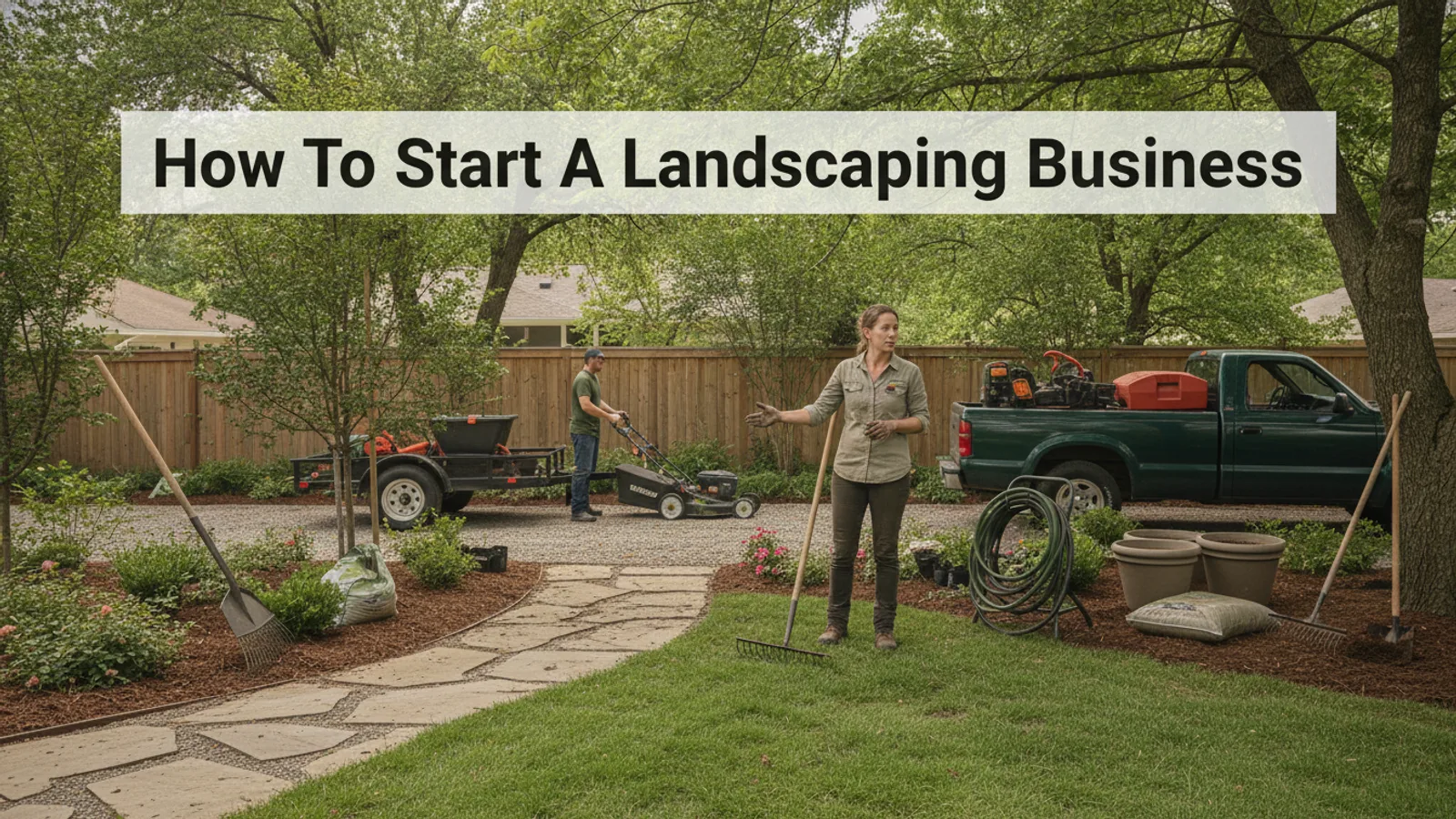
How To Start A Landscaping Business
This guide explains how to approach how to start a landscaping business, including the preparation, practical steps, common mistakes, and final checks that help you finish with confidence.
Before You Start
Step-by-Step Instructions
Quick Reference
Common Problems When You Start A Landscaping Business
Starting any business comes with its challenges. Being aware of potential problems can help you prepare for them.
Lack of Consistent Customers
Many new businesses struggle to build a steady client base. This can lead to periods with little work and income.
Equipment Breakdowns
Tools get a lot of use and can break, especially if not properly maintained. This can halt your work and cost money to repair or replace.
Cash Flow Issues
It's common for expenses to be high at the start, and payments from clients might not always come in quickly. This can leave you short of cash for daily operations or personal living costs.
Bad Weather Disruptions
Working outdoors means you're at the mercy of the weather. Rain, snow, or extreme heat can make some jobs impossible or unsafe.
Dealing with Difficult Clients
Not every client will be easy to work with. Unrealistic expectations, disagreements over work, or payment issues can arise.
Advanced Tips for Your Landscaping Business
Once you've got your business off the ground, these tips can help you grow and improve.
Specialise and Niche Down Further
Instead of offering every landscaping service, consider becoming an expert in one or two specific areas. For example, you could focus solely on garden design, artificial grass installation, or perhaps tree care. Specialisation allows you to charge premium rates, market more effectively to a specific audience, and become the go-to expert in your field. It can also reduce the amount of varied equipment you need to own and maintain.
Invest in Professional Marketing
Beyond basic flyers and social media, consider investing in a professional website, high-quality photography of your work, and even local paid advertising (online or in community papers). A strong brand identity and online presence will help you attract higher-value clients and stand out from competitors. Make sure your contact details are prominently displayed on your vehicle, uniforms, and all marketing materials.
Build a Network of Trusted Suppliers
Forge relationships with local garden centres, plant nurseries, and building material suppliers. Good relationships can lead to better trade prices, reliable delivery, and expert advice. They might even refer customers to you if they trust your work. Also, network with other trades (e.g., plumbers, electricians, builders) who might need your services or refer clients for complementary projects.
Continuously Learn and Develop Skills
The landscaping industry is always evolving. New plants, techniques, and sustainable practices emerge regularly. Attend workshops, read industry publications, and consider taking formal qualifications (like NVQs in horticulture or garden design courses). Expanding your skills allows you to offer more diverse services and improve the quality of your work, adding more value for your clients.
Prioritise Exceptional Customer Service
Happy customers are your best advertisement. Go the extra mile where you can, be reliable, communicate clearly, and always leave the site tidy. Ask for feedback and act on it. Building a reputation for excellent customer service will lead to positive reviews, repeat business, and invaluable word-of-mouth referrals, which are crucial for sustainable growth.
Plan for Growth and Hiring
If your business becomes very busy, you might consider taking on help. This could start with a part-time assistant or eventually a full-time employee. Plan for this by understanding your legal obligations as an employer, including contracts, payroll, and employer's liability insurance. Hiring allows you to take on more projects and expand your capacity, but it also adds management responsibilities.
How To Start A Landscaping Business FAQ
How much does it cost to start a landscaping business in the UK?
Startup costs vary widely. A very basic setup as a sole trader with second-hand tools and an existing vehicle could be as low as £1,000-£3,000, mainly covering insurance, registration fees, and essential tools. For a more professional start with new equipment, a dedicated van, and some initial marketing, you could expect to spend £5,000-£15,000 or more. This doesn't include living costs for the first few months.
Do I need any special qualifications to become a landscaper?
No formal qualifications are legally required to start a basic landscaping business in the UK. However, having qualifications in horticulture, garden design, or specific skills like pesticide application (PA1/PA6 certification) can significantly boost your credibility, demonstrate your expertise, and allow you to offer more specialised services. Practical experience is often valued more highly by clients than academic qualifications alone.
How do I get my first customers?
Start with your local network: tell friends, family, and neighbours. Create simple flyers and post them in local community boards, shops, and letterboxes. Set up a free Google Business Profile to appear in local searches. Use social media (Facebook, Instagram) to showcase your work. Offer an introductory discount for first-time clients, and always ask for referrals from satisfied customers.
What insurance is essential for a landscaping business?
Public liability insurance is the most critical as it protects you against claims if your work accidentally causes injury to a third party or damage to their property. If you employ anyone, even casual help, employer's liability insurance is a legal requirement. You should also consider insurance for your tools and equipment, and ensure your vehicle is covered for business use.
Can I start a landscaping business part-time?
Yes, many people start their landscaping business part-time alongside another job. This can be a great way to test the market, build up a client base, and gradually invest in equipment without the immediate pressure of relying on it as your sole income. Just ensure your existing employment contract doesn't prohibit you from having a side business and that you still register as self-employed with HMRC.