Cyberpowerpc First Time Startup
A practical step-by-step guide to cyberpowerpc first time startup, including preparation, instructions, common issues, tips, and next steps.
Cyberpowerpc First Time Startup
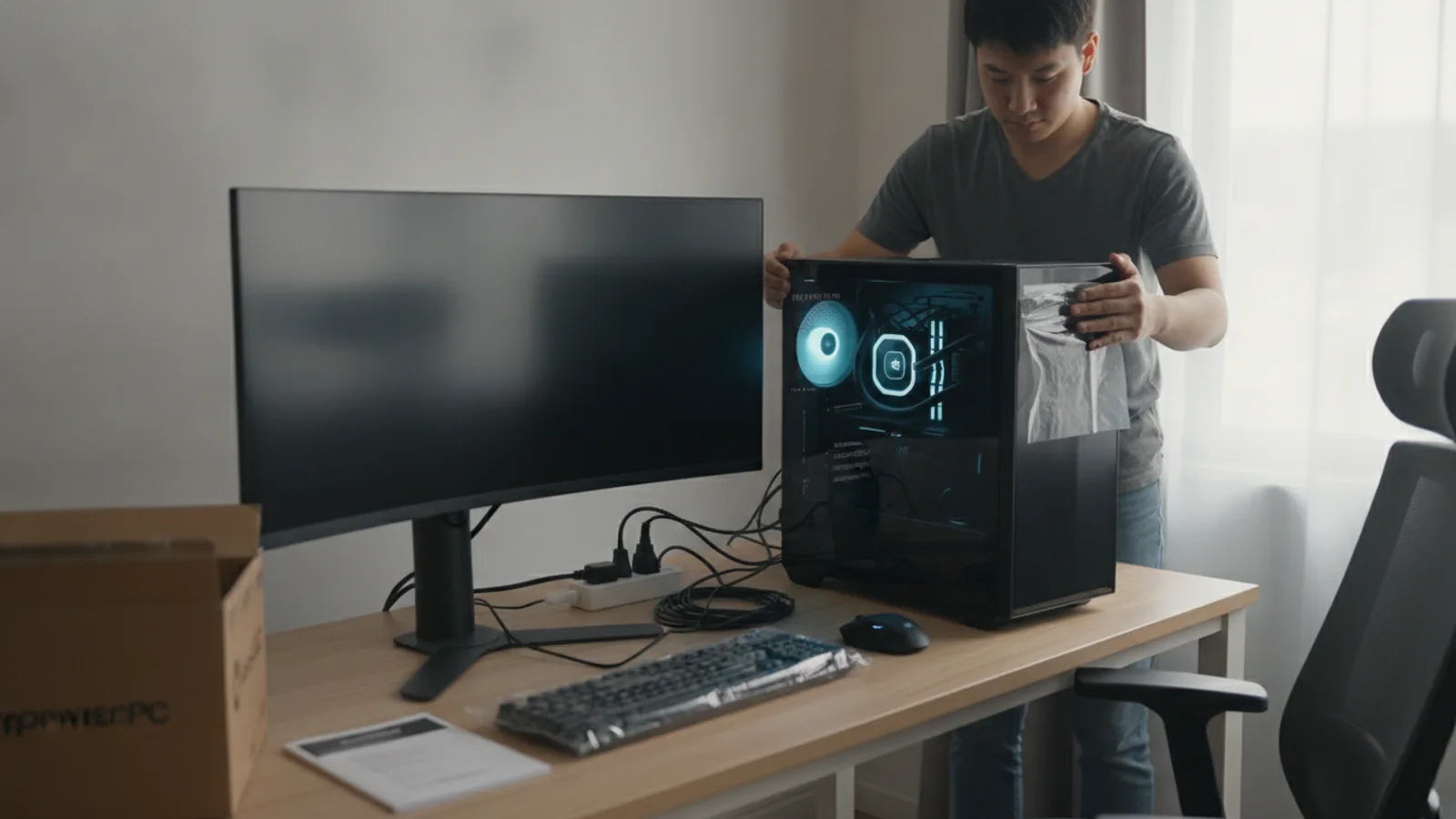
This guide explains how to approach cyberpowerpc first time startup, including the preparation, practical steps, common mistakes, and final checks that help you finish with confidence.
Before You Start
Step-by-Step Instructions
Quick Reference
Common Problems When You cyberpowerpc first time startup
Even with careful setup, you might encounter a few issues. Here are some common problems and their solutions:
No Display on Monitor
PC Won't Turn On
Internet Connection Issues
Slow Performance or Missing Features
Advanced Tips for cyberpowerpc first time startup
Once you've got the basics down, here are a few advanced tips to get the most out of your new CyberpowerPC:
Optimise Cable Management
Good cable management isn't just for looks; it improves airflow inside your PC case. When airflow is better, components stay cooler, which can lead to better performance and a longer lifespan for your hardware. Take some time to route cables neatly behind the motherboard tray (if your case allows) and tie them together with zip ties or Velcro straps.
Enable XMP for RAM Performance
Many gaming PCs come with high-speed RAM (memory), but it often runs at a slower default speed out of the box. To get the full performance from your RAM, you usually need to enable something called XMP (Extreme Memory Profile) in your PC's BIOS/UEFI settings. You'll need to enter the BIOS/UEFI during startup (usually by pressing Del or F2 repeatedly right after turning on the PC) and look for an option related to memory or XMP profiles. Be cautious when changing BIOS settings, and save your changes before exiting.
Monitor System Temperatures
Keeping an eye on your CPU and GPU temperatures is important, especially during intense tasks like gaming. High temperatures can lead to reduced performance (thermal throttling) or even long-term damage. You can use free software like HWMonitor or MSI Afterburner (which works with all graphics cards, not just MSI) to keep track of these temperatures. If you notice consistently high temperatures, review your case's airflow or consider adjusting fan speeds.
Create a System Restore Point
Before installing a lot of new software or making significant system changes, it's a good idea to create a system restore point. This acts like a snapshot of your PC's system files and settings. If something goes wrong later, you can revert your PC to this restore point, potentially saving you from having to reinstall Windows. Search for "Create a restore point" in Windows and follow the instructions.
Consider a Backup Strategy
Your new PC will quickly fill with important documents, photos, and game saves. Don't wait until it's too late to think about backups. Consider using an external hard drive, cloud storage services (like OneDrive, Google Drive, or Dropbox), or a network-attached storage (NAS) device to regularly back up your most important data.
Cyberpowerpc First Time Startup FAQ
Q: Do I need to install Windows myself?
A: Almost all CyberpowerPC systems come with Windows pre-installed and activated. You'll just need to go through the initial setup wizard (choosing your language, region, creating an account, etc.), as described in Step 8 of this guide.
Q: How do I know if my drivers are up to date?
A: For your graphics card, the best way is to download the latest driver directly from NVIDIA's (for GeForce cards) or AMD's (for Radeon cards) official websites. For other components, you can often check the Device Manager in Windows (search for it in the Start menu) or visit the CyberpowerPC support website for your specific model.
Q: Is it safe to move my CyberpowerPC after setting it up?
A: Yes, it's generally safe to move your PC. However, always power it down completely and unplug all cables before moving it. If you're moving it a significant distance or are worried about internal components, you could even reinstall the internal foam packaging (if you kept it) for extra protection during transit.
Q: What's the difference between HDMI and DisplayPort for my monitor?
A: Both HDMI and DisplayPort are modern digital video connections. DisplayPort generally supports higher refresh rates and resolutions on a single cable, making it a favourite for high-end gaming monitors. HDMI is very common and excellent for general use and connecting to TVs. For most users, either will work perfectly fine, but use the best connection your monitor and graphics card support.
Q: Do I need antivirus software if Windows has Defender?
A: Windows Defender is Microsoft's built-in antivirus and provides solid basic protection. For many users, it's sufficient. However, some users prefer third-party antivirus software for additional features, stronger protection ratings, or specific functionalities. It's a personal choice, but ensure you have at least one active antivirus solution running.
Final Checklist for Cyberpowerpc First Time Startup
Your CyberpowerPC is now ready to use! Enjoy your new system.